
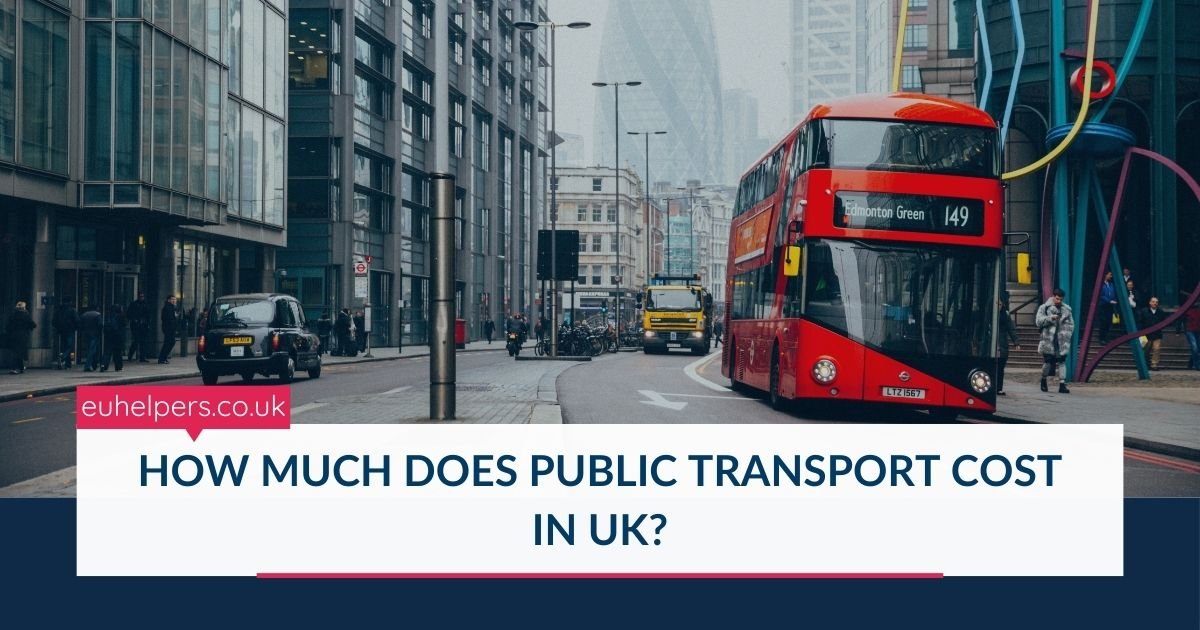
Public transport costs in the United Kingdom vary widely depending on the city, travel distance, transport type, and time of travel. The UK offers multiple transport options, including buses, trains, trams, underground networks, and regional transport services. Prices can differ between England, Scotland, Wales, and Northern Ireland, but the general principles remain similar.
Understanding average fares helps workers, students, and new residents plan their monthly living expenses more accurately.
Main Types of Public Transport in the UK
The UK’s public transport system includes:
-
Local buses
-
Regional and intercity trains
-
London Underground (Tube)
-
Trams (Manchester, Edinburgh, Nottingham, Sheffield)
-
Light rail systems (Docklands Light Railway in London)
-
Public bicycles and scooters
-
Coaches (long-distance buses)
Each mode of transport operates with its own fare structure.
Average Bus Costs in the UK
Local buses are typically the most affordable form of public transport.
England (outside London):
A government fare cap sets most single bus tickets at £2 per journey.
London:
Bus fares use a flat rate:
-
£1.75 per ride using Oyster or contactless
-
Hopper fare allows unlimited bus transfers within 1 hour for the same price
Scotland & Wales:
Fares vary by city, usually £1.50–£3.00 for a single journey.
Scotland offers free bus travel for residents under 22, over 60, and people with disabilities.
Train Costs in the UK
Train travel is more expensive and varies by distance and ticket type.
Typical price ranges:
-
Short regional journeys: £5–£15
-
Medium-distance journeys: £15–£40
-
Long routes (e.g., London to Manchester): £25–£80
-
High-speed routes (London to Edinburgh): £40–£120+
Tickets can be:
-
Off-Peak: Cheaper, outside rush hours
-
Peak: More expensive, weekday mornings/evenings
-
Advance: Lowest prices when booked early
Monthly rail passes (season tickets) can reduce overall costs for daily commuters.
London Transport Costs (Tube, DLR, Trams)
London transport uses a zone-based fare system.
Typical Tube fares using Oyster/contactless:
-
Within Zone 1: £2.80
-
Zone 1–2: £3.00
-
Zone 1–4: £3.70–£5.00
-
Zone 1–6: £5.60–£6.70
Daily caps help limit high travel costs:
-
Zone 1–2 daily cap: approx. £8.50
-
Zone 1–6 daily cap: approx. £14.00
London Trams:
Flat rate of £1.75 per ride.
Tram Costs in Other UK Cities
Typical tram fares:
-
Manchester Metrolink: £1.40–£4.60
-
Edinburgh Trams: £2.00 single (airport routes higher)
-
Nottingham Express Transit: £2.20–£3.00
-
Sheffield Supertram: £2.20–£3.80
Prices vary based on zones and travel distance.
Monthly Public Transport Costs (Average)
A typical adult commuter might spend:
-
Small cities: £50–£80 per month
-
Medium cities: £80–£120 per month
-
Large cities: £120–£180 per month
-
London: £150–£300+ depending on zones
Season tickets, student discounts, and employer schemes can reduce costs.
Discount Options Available in the UK
Several groups can access reduced fares:
-
Students with railcards
-
Young persons (16–25 Railcard)
-
Senior citizens
-
Disabled persons
-
Apprentices
-
Children under 16 (reduced or free in some regions)
-
Free bus pass for elderly in England, Scotland, and Wales
These discounts can reduce fares by 30%–50%.
Public transport costs in the UK range from affordable £2 bus fares to higher-priced rail and underground journeys. Costs differ by city, transport type, distance, and time of travel. For frequent users, buying season tickets, using railcards, and travelling off-peak can significantly reduce expenses. Understanding these costs helps workers, students, and newcomers budget accurately for daily travel.