
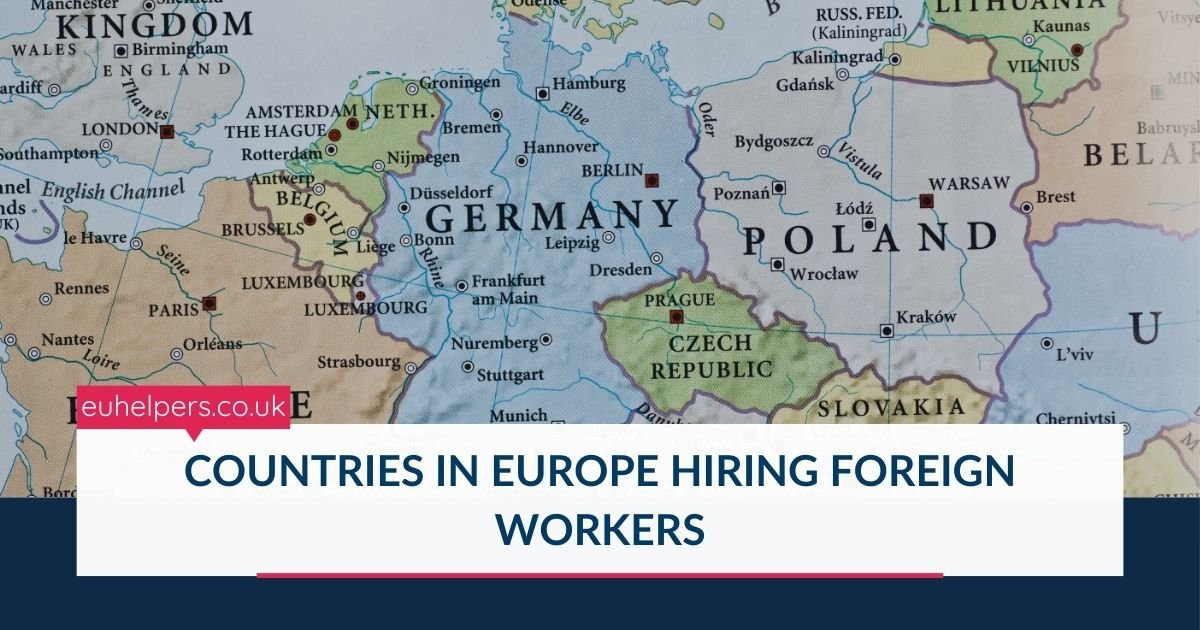
Europe is facing a growing shortage of workers across many industries. Due to aging populations and expanding economies, many European countries are actively hiring foreign workers to fill labor gaps. These opportunities are available in sectors such as construction, agriculture, manufacturing, hospitality, healthcare, and logistics.
For international job seekers, Europe offers legal employment, better wages, strong labor protection, and opportunities for long-term career growth. Many countries also provide work visa programs that allow employers to recruit workers from outside the European Union.
Why Europe Is Hiring Foreign Workers
Many European countries are experiencing demographic changes. Large numbers of workers are retiring, while fewer young people are entering labor-intensive industries.
To maintain economic growth, companies in several sectors rely on foreign labor. Governments have also introduced visa programs to help employers recruit international workers.
Common industries hiring foreign workers include:
-
Construction and infrastructure
-
Manufacturing and factory work
-
Agriculture and seasonal farming
-
Hospitality and tourism
-
Logistics and warehouse operations
-
Healthcare and caregiving
Both skilled and unskilled workers can find opportunities depending on the country and sector.
Top Countries in Europe Hiring Foreign Workers
Germany
Germany is one of the largest job markets in Europe and continues to recruit international workers. The country has strong demand in manufacturing, construction, healthcare, and logistics.
Common jobs include:
-
Warehouse workers
-
Construction laborers
-
Factory workers
-
Nurses and caregivers
-
Drivers and delivery workers
Germany also offers work visa programs for skilled professionals and vocational workers.
Average monthly salary: €2,000 – €3,500 depending on the job.
Poland
Poland has become a major destination for foreign workers, especially in manufacturing and agriculture. The country’s growing economy has created many opportunities for international job seekers.
Popular job sectors include:
-
Food processing factories
-
Construction work
-
Farm and agricultural jobs
-
Warehouse operations
Poland is often considered one of the easier countries to enter for foreign workers due to relatively simple work permit procedures.
Average monthly salary: €900 – €1,500.
Lithuania
Lithuania is increasingly recruiting foreign workers in logistics, manufacturing, and food processing industries.
Jobs available include:
-
Meat and poultry processing workers
-
Warehouse assistants
-
Production line workers
-
Truck drivers
Living costs are relatively affordable, which allows workers to save money.
Average monthly salary: €900 – €1,400.
Czech Republic
The Czech Republic has a strong industrial economy and frequently hires international workers for factory and construction jobs.
Common opportunities include:
-
Automotive manufacturing
-
Electronics assembly
-
Construction projects
-
Warehouse logistics
The country has a high demand for labor due to low unemployment rates.
Average monthly salary: €1,200 – €1,800.
Hungary
Hungary has become a manufacturing hub in Central Europe, attracting multinational companies that need skilled and semi-skilled workers.
Jobs available for foreign workers include:
-
Factory production workers
-
Construction workers
-
Electronics assembly workers
-
Logistics staff
The cost of living in Hungary is relatively lower than in Western Europe.
Average monthly salary: €1,000 – €1,600.
Netherlands
The Netherlands is known for its strong economy and international job market. Many companies hire foreign workers for logistics, agriculture, and hospitality jobs.
Common job roles include:
-
Greenhouse workers
-
Warehouse workers
-
Hospitality staff
-
Food processing workers
The Netherlands offers good wages and strong worker protections.
Average monthly salary: €1,800 – €2,800.
Benefits of Working in Europe
Working in Europe offers several advantages for foreign workers.
Common benefits include:
-
Legal employment contracts
-
Competitive wages
-
Health insurance and social security
-
Paid leave and holidays
-
Safe working conditions
-
Opportunities for long-term residence in some countries
These benefits make Europe an attractive destination for people seeking better work opportunities abroad.
Basic Requirements to Work in Europe
Although requirements vary by country and employer, most foreign workers must meet certain basic conditions.
Typical requirements include:
-
Valid passport
-
Work visa or work permit
-
Employment contract from a European employer
-
Basic communication skills in English or local language
-
Physical fitness for manual jobs
Skilled positions may require educational qualifications or professional certification.
Tips for Finding Jobs in Europe
If you are planning to work in Europe, careful preparation can increase your chances of success.
Helpful tips include:
-
Prepare a European-style CV
-
Apply through verified recruitment agencies
-
Research visa requirements for each country
-
Check employer credibility before accepting offers
-
Avoid paying large recruitment fees
Staying informed about job opportunities and immigration policies is important for a successful job search.
Final Thoughts
Europe continues to offer many employment opportunities for foreign workers across multiple industries. Countries such as Germany, Poland, Lithuania, the Czech Republic, Hungary, and the Netherlands are actively hiring international workers due to labor shortages.
With proper preparation and reliable job sources, working in Europe can provide stable employment, valuable international experience, and improved financial opportunities.