
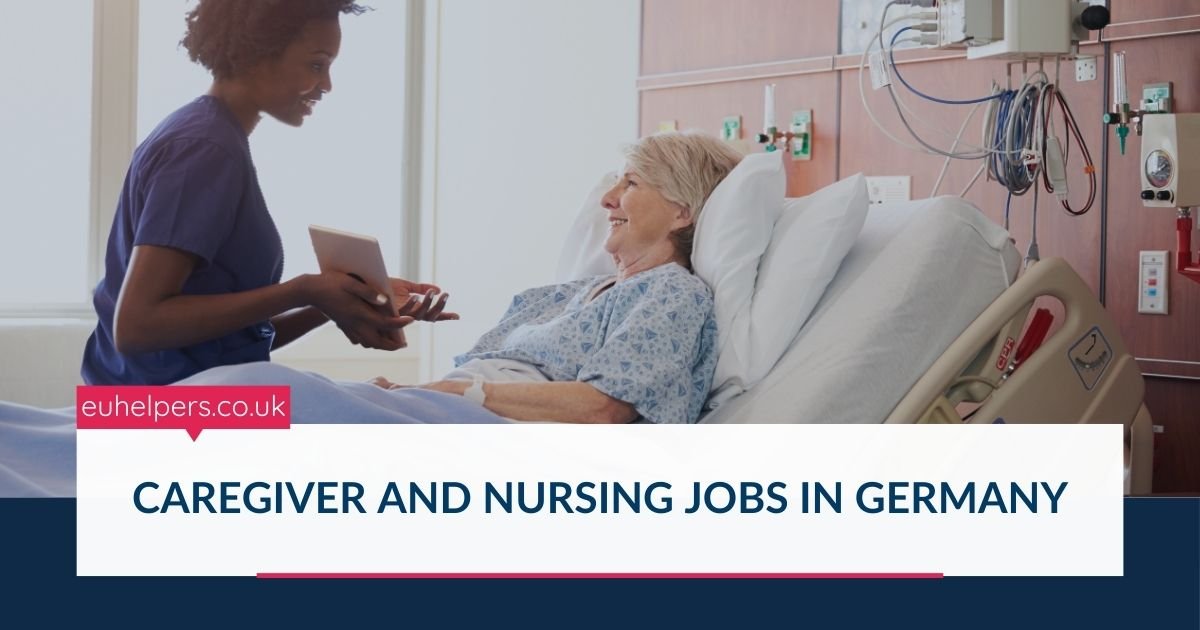
Germany is one of the leading healthcare destinations in Europe and has a growing demand for caregivers and nursing professionals. Due to an aging population and increasing healthcare needs, hospitals, nursing homes, and home-care services across Germany require thousands of healthcare workers every year.
To address this shortage, Germany actively recruits foreign caregivers and nurses through work visa programs and professional recognition pathways.
For many international workers, caregiver and nursing jobs in Germany provide stable employment, good salaries, and long-term residency opportunities.
Why Germany Needs Caregivers and Nurses
Germany’s healthcare sector faces a major shortage of qualified nursing staff. Several factors contribute to this demand:
-
Rapidly aging population
-
Increasing number of elderly patients requiring long-term care
-
Expansion of hospitals and nursing facilities
-
Shortage of domestic healthcare workers
-
Growing demand for home-care services
Because of these factors, Germany encourages skilled healthcare professionals from abroad to work in the country.
Difference Between Caregivers and Nurses
Although the terms are sometimes used together, caregivers and nurses have different responsibilities and qualifications.
Caregivers
Caregivers mainly assist elderly or disabled individuals with daily activities. Their work often takes place in nursing homes or private homes.
Typical duties include:
-
Helping patients with bathing and dressing
-
Assisting with meals and medication reminders
-
Providing companionship and emotional support
-
Helping with mobility and daily routines
-
Monitoring basic health conditions
Caregiver roles usually require basic training rather than full medical qualifications.
Nurses
Nurses are trained medical professionals who provide clinical care to patients.
Typical responsibilities include:
-
Monitoring patient health and vital signs
-
Administering medications and treatments
-
Assisting doctors during medical procedures
-
Managing patient care plans
-
Maintaining medical records
Nursing jobs in Germany require recognized nursing qualifications.
Most Common Caregiver Jobs in Germany
Several caregiving roles are available in Germany’s healthcare sector.
Elderly Care Assistant
Elderly care assistants help senior citizens with daily activities and personal care.
Common workplaces include:
-
Nursing homes
-
Assisted living facilities
-
Home care services
These roles are among the most common caregiving jobs for foreign workers.
Home Caregiver
Home caregivers provide support to elderly individuals who live in their own homes.
Typical responsibilities include:
-
Personal hygiene assistance
-
Meal preparation
-
Medication reminders
-
Light household tasks
-
Companionship for elderly clients
Home care services are expanding rapidly across Germany.
Disability Support Worker
Disability support workers assist people with physical or intellectual disabilities.
Responsibilities may include:
-
Helping with daily activities
-
Supporting mobility and independence
-
Assisting with therapy routines
-
Providing emotional support
These roles are important in rehabilitation centers and specialized care facilities.
Most In-Demand Nursing Jobs in Germany
Germany offers many nursing opportunities across hospitals and healthcare institutions.
Registered Nurse
Registered nurses provide direct patient care in hospitals and clinics.
Their responsibilities include:
-
Monitoring patient health conditions
-
Administering medications
-
Assisting in surgeries and treatments
-
Communicating with doctors and families
This is one of the most in-demand healthcare roles in Germany.
Geriatric Nurse
Geriatric nurses specialize in caring for elderly patients.
They typically work in:
-
Nursing homes
-
Elderly care centers
-
Rehabilitation facilities
Germany’s aging population has increased the need for geriatric nursing specialists.
Pediatric Nurse
Pediatric nurses care for infants, children, and adolescents.
Their work includes:
-
Monitoring child health
-
Assisting pediatric doctors
-
Administering treatments for young patients
-
Supporting families during medical care
These positions are available in hospitals and pediatric clinics.
Salary for Caregivers and Nurses in Germany
Salaries depend on qualifications, experience, and the type of healthcare facility.
Typical monthly salaries include:
Caregivers
-
€1,800 to €2,400 per month
Assistant Nurses
-
€2,200 to €2,800 per month
Registered Nurses
-
€2,800 to €3,800 per month
Experienced nurses may earn higher salaries with additional certifications.
Language Requirements
German language skills are usually required for healthcare jobs.
Typical language levels include:
-
B1 German for caregiver roles
-
B2 German for registered nurses
Language skills are important for communicating with patients, doctors, and healthcare teams.
Recognition of Nursing Qualifications
Foreign nurses must have their qualifications recognized in Germany before working as registered nurses.
The recognition process usually includes:
-
Evaluation of foreign nursing diplomas
-
Language certification
-
Additional training if required
-
Professional licensing
Many international nurses complete adaptation training programs before full recognition.
Working Hours in Healthcare Jobs
Healthcare professionals often work in rotating shifts.
Typical schedules include:
-
8 to 12 hour shifts
-
40 hours per week
-
Night shifts in hospitals
-
Weekend duties in some facilities
Overtime pay is often provided for extra working hours.
Benefits of Healthcare Jobs in Germany
Healthcare workers in Germany receive several employment benefits.
Common benefits include:
-
Stable long-term employment
-
Health insurance coverage
-
Paid annual leave
-
Pension contributions
-
Opportunities for permanent residency
Many employers also provide support with accommodation and relocation.
Visa Options for Foreign Healthcare Workers
Germany offers specific visa pathways for healthcare professionals.
Common visa options include:
Skilled Worker Visa
For qualified nurses whose credentials are recognized in Germany.
Recognition Visa
For foreign professionals who need to complete training or qualification recognition.
EU Blue Card
Available for highly skilled professionals with higher salaries.
These programs make Germany one of the most accessible European countries for healthcare professionals.
How to Apply for Caregiver and Nursing Jobs in Germany
Foreign workers can apply through several channels.
Common options include:
-
International recruitment agencies
-
Hospital career websites
-
German healthcare organizations
-
Government-supported migration programs
Applicants should ensure that job offers come from licensed employers.
Final Thoughts
Germany’s healthcare system continues to expand, creating strong demand for caregivers and nurses. With competitive salaries, structured training programs, and clear visa pathways, Germany offers excellent opportunities for international healthcare professionals.
For foreign workers with caregiving or nursing experience, Germany provides a reliable pathway to stable employment, professional development, and long-term residence in Europe.