
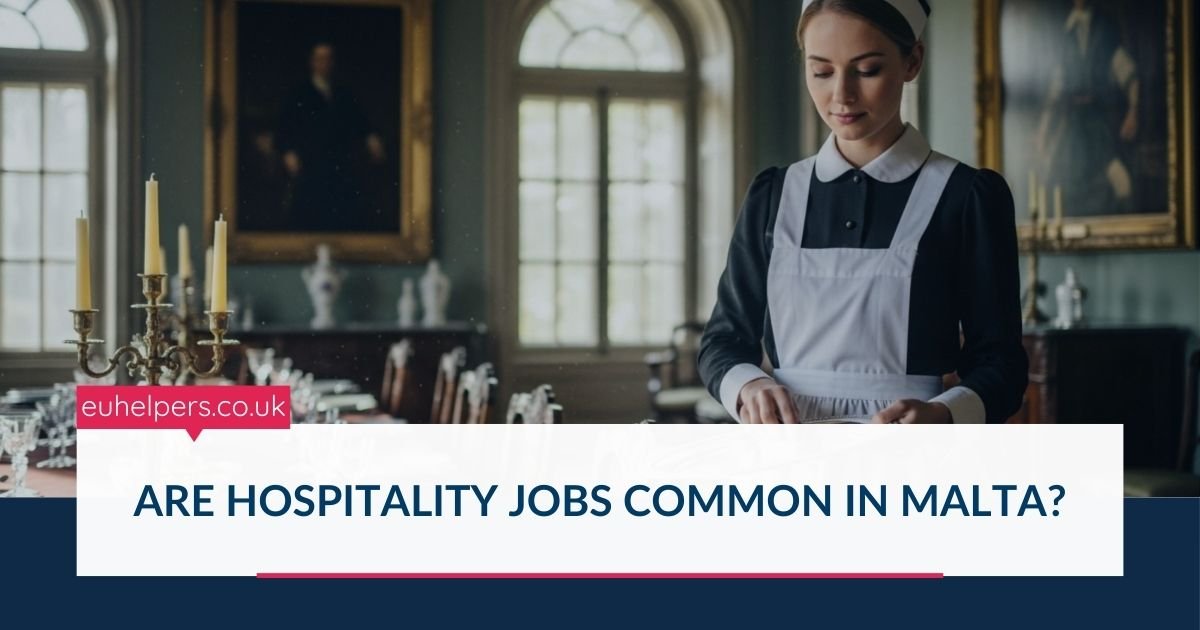
Yes, hospitality jobs are very common in Malta. Tourism is one of the largest industries in the country, and thousands of foreign workers are employed every year in hotels, restaurants, bars, resorts, and travel services. Because Malta welcomes millions of visitors annually, the demand for international staff remains high throughout the year.
Why Malta Has High Demand for Hospitality Workers
Malta’s economy depends heavily on tourism and services. The country has:
-
A long tourist season from spring to late autumn
-
Hundreds of hotels and holiday apartments
-
Growing restaurant and nightlife culture
-
International conferences and events
-
Cruise ship and marina tourism
These factors create constant need for waiters, chefs, cleaners, receptionists, and support staff.
Most Common Hospitality Jobs in Malta
Foreigners usually find work in roles such as:
-
Waiter / waitress
-
Hotel receptionist
-
Housekeeping staff
-
Kitchen assistant
-
Chef and commis chef
-
Barista and bartender
-
Food delivery staff
-
Resort maintenance worker
-
Tour guide assistant
Entry-level positions are widely available, especially for English-speaking applicants.
Who Can Work in Malta Hospitality Sector?
EU / EEA Citizens
-
Can work without a work visa
-
Only need local registration after arrival
-
Free to change employers
Non-EU Citizens
-
Need a work permit (Single Permit)
-
Job offer required before application
-
Employer usually sponsors the permit
Most hotels and restaurants are familiar with hiring non-EU workers.
Salary Expectations in Malta Hospitality
Average pay depends on role and experience:
-
Entry level: moderate European wage level
-
Tips can increase monthly income
-
Overtime often available in peak season
-
Some employers provide accommodation or meals
Salaries are lower than Northern Europe but cost of living is also moderate.
Language Requirements
English is one of Malta’s official languages, so:
-
English is enough for most hospitality jobs
-
Maltese language is not mandatory
-
Other languages like Italian, French, or German are a plus
This makes Malta easier than many other EU countries for new migrants.
Work Conditions in Malta
Hospitality staff usually receive:
-
Legal employment contracts
-
Paid annual leave
-
Weekly rest days
-
Social security coverage
-
Health insurance access
Work can be busy during summer and quieter in winter.
Seasonal vs Year-Round Jobs
Malta offers two main types of employment:
-
Seasonal jobs: March to November, very high demand
-
Permanent roles: hotels, hospitals, big restaurants
Many workers start seasonal and later switch to long-term contracts.
How to Find Hospitality Jobs in Malta
Common routes include:
-
Online Malta job portals
-
Direct hotel career pages
-
Recruitment agencies
-
Walk-in applications in tourist areas
-
Employer referrals
Having a simple CV in English is usually enough for entry roles.
Challenges to Consider
-
Housing can be expensive in popular areas
-
Summer workload is intense
-
Some jobs require shift and weekend work
-
Work permit process takes time for non-EU citizens
Planning in advance is important.
Frequently Asked Questions
Are hospitality jobs really easy to find in Malta?
Yes, especially in restaurants, hotels, and cleaning services.
Is experience required?
Not always. Many employers hire beginners and provide training.
Can non-EU citizens work in Malta hospitality?
Yes, with a valid work permit sponsored by the employer.
Is English enough?
Yes, English is widely accepted in all tourist workplaces.
Do employers provide accommodation?
Some do, especially hotels and resorts.
Are tips common?
Yes, tips are an important part of income for service staff.
Can hospitality work lead to long-term stay?
Yes, continuous legal work can lead to long residence.
Is winter season also good for jobs?
Fewer jobs than summer, but large hotels operate year-round.
Conclusion
Hospitality jobs are among the most accessible opportunities for foreigners in Malta. The combination of English-speaking workplaces, steady tourism, and regular need for staff makes Malta one of the easiest EU destinations to enter through the service industry.